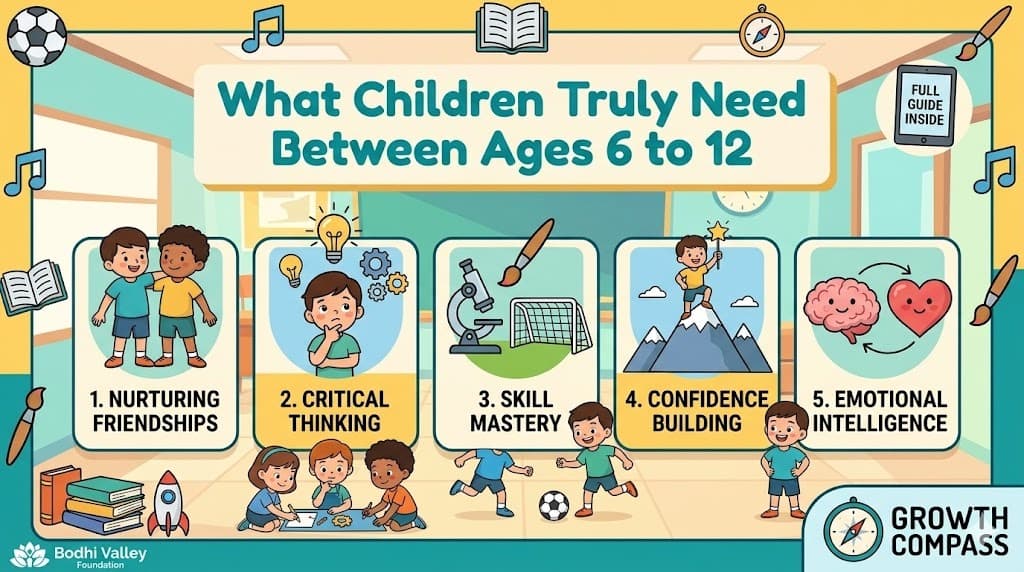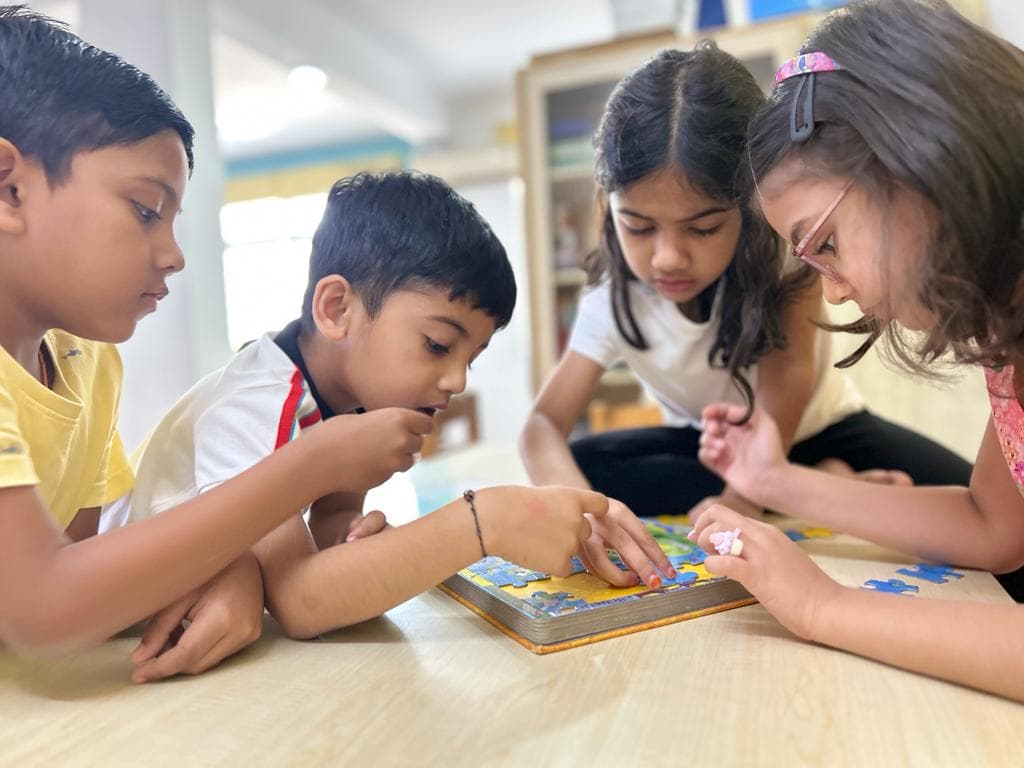
When observing child development, society often fixates on the early, dramatic milestones. We celebrate a baby’s first steps and eagerly await their first words. However, between the ages of 6 and 12, children enter a uniquely transformative phase. During this time, they stand quietly at the doorway of who they are truly becoming. This specific stage of life does not come with obvious, outward markers of growth, but beneath the surface—inside a child’s mind and heart—everything of lasting importance is actively taking shape. Navigating this period requires a shift in how adults support, guide, and nurture them.
The Crucial Elementary Years: Moving Beyond Pressure
In today’s fast-paced educational environments, it is incredibly easy for adults to focus entirely on academic performance. However, what children navigating the elementary years need most is not overwhelming pressure, but deep, genuine understanding.
Prioritizing Understanding in Middle Childhood Development
To truly support children in this age bracket, adults must actively shift their focus. This means taking the time to notice a child’s unique thoughts and perspectives, rather than solely evaluating them based on their marks or grades. Furthermore, when children ask questions, adults must be willing to truly listen to their curiosities instead of simply rushing to correct their answers. This subtle shift from correction to connection is foundational for healthy cognitive and emotional development.
Cultivating Emotional Safety for Children Ages 6 to 12
Perhaps the most vital component of a child’s environment during these formative years is emotional safety. Emotional safety is the invisible but powerful assurance that tells a child, “You can try, you can think, you can make mistakes, and I am here.” Without this safety net, children may hesitate to take the necessary intellectual and social risks required for genuine learning. By creating an environment where mistakes are viewed as stepping stones rather than failures, parents and educators provide the exact type of security children need to thrive.
Building Confidence Through Small Decisions and Capability
Confidence is not something that can be handed to a child; it must be cultivated through experience. Children in this age group desperately need opportunities to feel capable in their daily lives. We can foster this by allowing them to make small decisions and helping them understand the natural consequences of those choices. As they navigate these decisions and their outcomes, they begin to grow quietly and steadily into their own authentic confidence.
Providing Space to Explore During the Elementary Years
Alongside emotional support and decision-making opportunities, children simply need space. They require the physical and mental space to wonder about the world around them, space to explore their emerging interests without a rigid schedule, and space to slowly become themselves. Unstructured time is not wasted time; it is the laboratory where a child’s sense of self is forged.
Conclusion: Shaping Human Beings Who Know Who They Are
The years between 6 and 12 are quiet but profound. If we commit to honoring these core needs—prioritizing understanding over pressure, fostering emotional safety, encouraging capability, and allowing ample space to wonder—the impact extends far beyond traditional learning. We don’t just educate children; we actively shape well-rounded human beings who possess a deep, unwavering understanding of exactly who they are. That is why the elementary years matter so deeply, laying the groundwork for a resilient and self-assured future.
For latest Podcasts subscribe to Bodhivalley Youtube Channel
They need understanding instead of pressure, emotional safety, chances to feel capable, and space to grow.
Reassure them that it is safe to try, think, and make mistakes with your unwavering support.
It gives them the essential freedom to wonder, explore, and truly become themselves.
By allowing them to make small choices and understand the resulting consequences, which helps them quietly develop their own confidence.