NEP 2020 makes early childhood education part of formal schooling: the 5+3+3+4 structure begins at age three, so preschool is now the foundational stage rather than a warm-up for it. Before you enrol for 2026-27, ask any school three things - how it builds foundational literacy and numeracy, how it uses the mother tongue in the early years, and how it assesses children without exams.
As a tech professional working in Madhapur or HITEC City, you already manage an incredibly demanding schedule. The upcoming 2026 academic cycle adds another layer of anxiety as you try to navigate complex educational jargon. You keep hearing about NEP 2020 preschool admissions from various institutions but simply do not have the time to read a sixty page government document.
You just want to know exactly how this national policy affects your toddler and their daily learning experience. This guide breaks down the essential facts to help you make an informed and confident enrollment decision.
Decoding NEP 2020: The Foundational Stage
The National Education Policy completely restructures the Indian educational system into a progressive new framework. For parents of toddlers, the only section you need to focus on right now is the Foundational Stage.
This crucial stage covers the first five years of learning, which includes three years of preschool followed by the first and second grades. The government has officially recognized that over eighty percent of a child’s cumulative brain development occurs before the age of six.
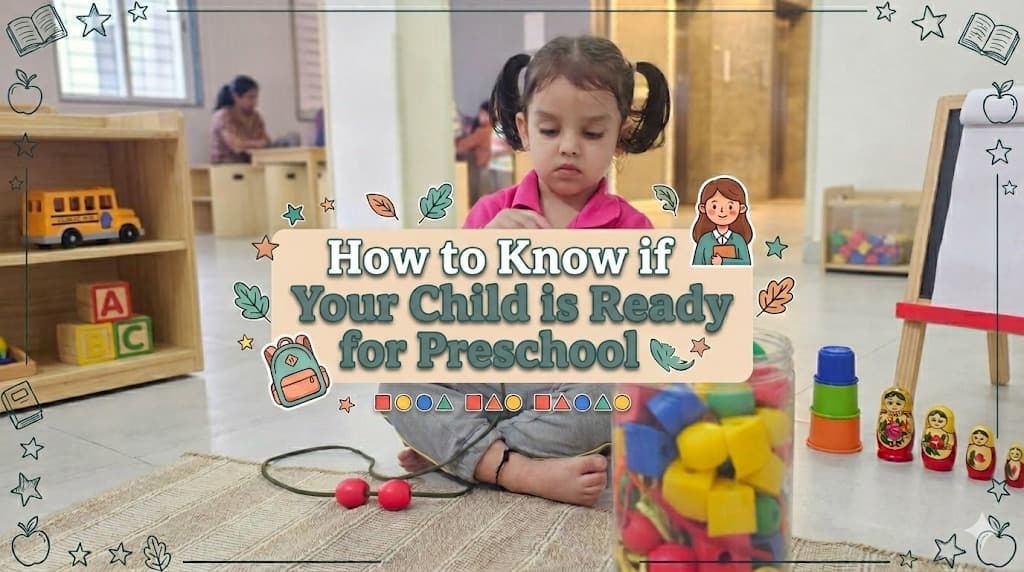
According to the Ministry of Education guidelines , this foundational stage mandates a complete shift away from rote memorization and heavy school bags. Early childhood education must now focus entirely on flexible, multifaceted, and play based learning.
This means your child will build cognitive and motor skills through active discovery rather than sitting at a desk tracing letters all day. The ultimate goal is to develop deep socio emotional resilience and critical thinking skills from the very beginning.
The Bodhivalley Edge: Beyond Basic Compliance
As schools across the country align their practices with the new government mandates, at Bodhivalley, our research-backed Bcues Curriculum has long been rooted in these very pedagogical principles.
We understand that true learning requires active participation and a highly sensitive environment. Our educators act as gentle facilitators who guide your child’s natural curiosity rather than forcing a rigid syllabus.
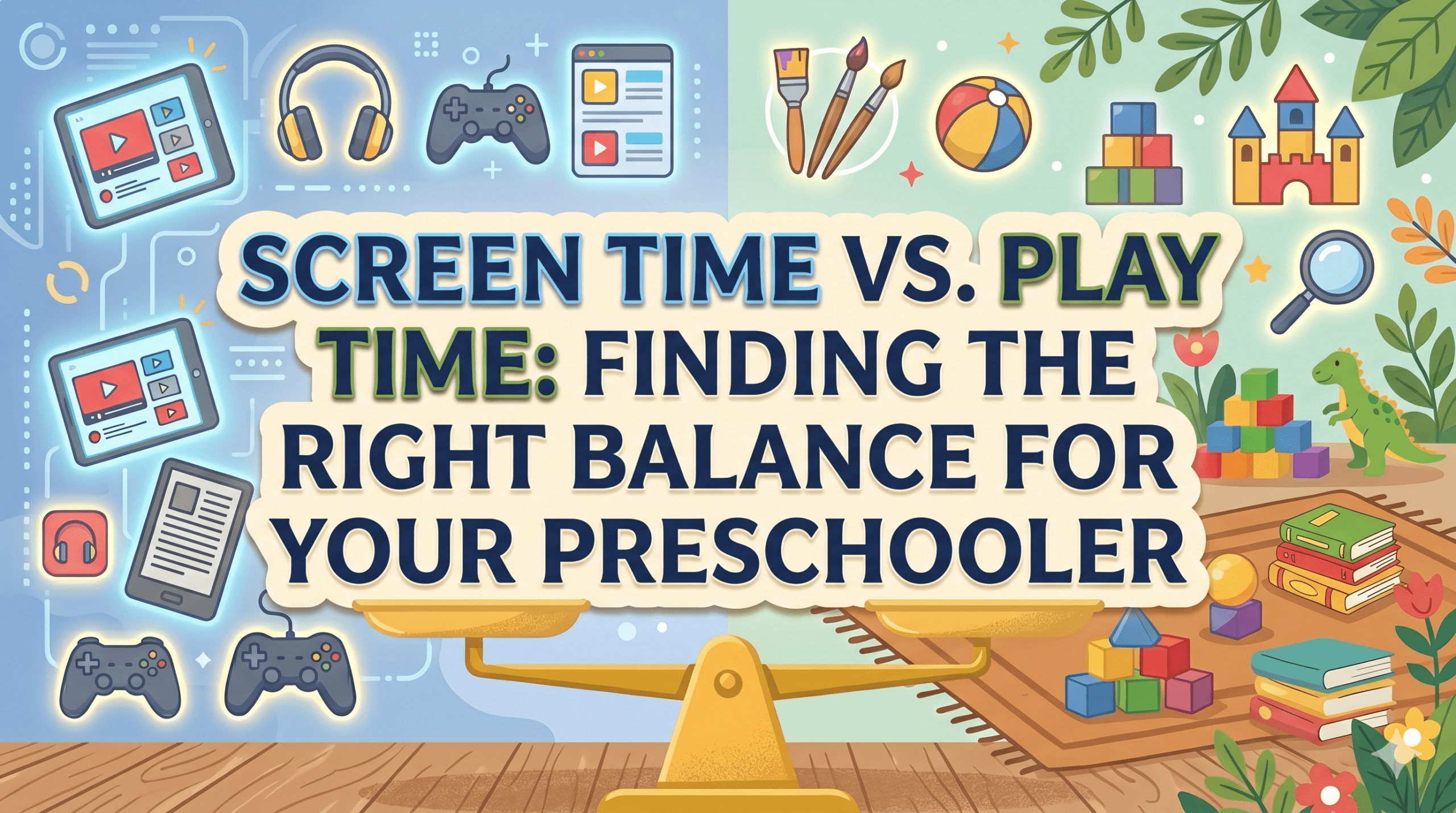
A crucial part of our philosophy involves prioritizing active sensory play over digital monitoring. You can learn more about how a screen free environment builds cognitive resilience in our detailed breakdown of managing screen time and sensory play for preschoolers . We firmly believe that excessive digital intervention prevents the development of genuine independence.
Furthermore, we know that executing personalized, facilitator led learning requires strict classroom management. This is exactly why we maintain a strict one to ten teacher to child ratio for our full day PP1 and PP2 academic programs. A remarkably low ratio is the only practical way to ensure every single child receives the customized attention that the new national policy envisions.
Understanding Real Learning Environments During Campus Tours
As the 2026 admissions cycle gathers momentum, many schools are embracing the language of progressive education and evolving policy frameworks. While this shift is encouraging, it also calls for a deeper understanding of how these philosophies are actually translated into everyday classroom practice.
At Bodhi, our approach is not about adopting a framework at surface level, it is about interweaving philosophy with research, and ensuring that every aspect of learning reflects this integration. Years of observation, neuroscience-informed insights, and classroom experience shape how we design and deliver learning. When you step into a classroom, the real story lies in how learning is facilitated. Our classrooms are led by a head teacher with over 20 years of experience, who brings depth, perspective, and strong pedagogical grounding. However, the classroom is not dependent on a single adult. It is a carefully designed ecosystem. At Bodhivalley, each learning space is led by a trained teacher, translating the NEP 2020 vision of personalised attention into everyday practice. Far from being ‘helpers,’ they are skilled educators, mentored by a head teacher with over two decades of experience, ensuring every child is meaningfully seen and guided.
This structure allows for:
- Close attention to every child’s learning process
- Immediate and meaningful intervention
- Consistent observation and documentation of progress
- A highly responsive and dynamic learning environment
In such spaces, assessment is not a separate event but an ongoing process. Learning tools are intentionally sensory and exploratory. Language is nurtured in a way that strengthens both identity and cognition. What emerges is a system that is expert-driven, minutely executed, and deeply aligned with how children actually learn where every adult in the room plays a purposeful role in shaping meaningful learning experiences.
Socio Emotional Growth and Tactile Learning
The new educational framework places equal importance on emotional intelligence and academic milestones. The global UNICEF guidelines on early childhood development align perfectly with this Indian national directive.
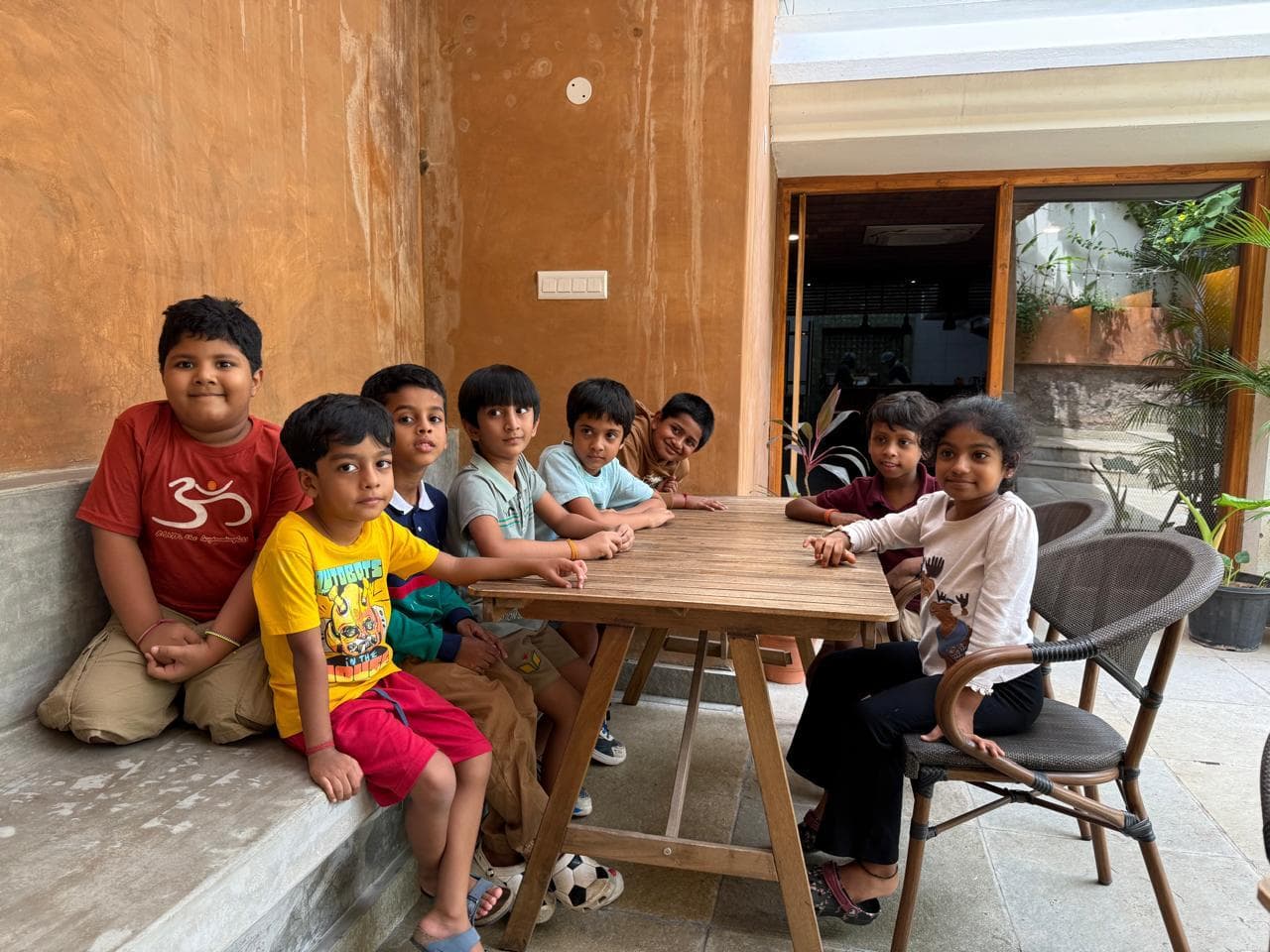
Children must learn how to navigate peer relationships, share resources, and effectively regulate their own emotions. A premium preschool provides the safe social setting required for this critical personal development.
When a toddler learns how to patiently wait for their turn or express frustration using words, they are building lifelong resilience. Our facilitators are specially trained to guide these complex social interactions gently and constructively.
This deep emotional grounding is what truly sets a child apart when they eventually face the highly competitive environment of formal primary schooling.
The National Council of Educational Research and Training also advises that the foundational years must be highly multidisciplinary. Children do not learn math, science, and language in isolated silos.
They learn these complex concepts simultaneously by interacting physically with their environment. Building a tall tower of wooden blocks naturally teaches them basic physics, geometry, and spatial awareness all at once.
Conclusion: Securing a Future Ready Foundation
Understanding the core principles of the National Education Policy gives you a massive advantage as a proactive parent. Aligning your child’s early education with these robust national standards ensures they are perfectly prepared for seamless entry into Tier 1 CBSE or International schools later on.
You do not need to settle for basic child minding when a world class educational foundation is available right in your neighborhood. Your toddler deserves an environment that deeply respects their individuality and nurtures their limitless potential. We invite you to experience our innovative, policy aligned campus firsthand. Take the most important step for your child’s academic journey by initiating your Bodhivalley preschool 2026 admissions process today.
Frequently Asked Questions (FAQs)
What is the Foundational Stage in NEP 2020?
The Foundational Stage is the first phase of the new educational structure. It covers the first five years of learning, focusing heavily on play based, multidisciplinary education for children aged three to eight years old.
Does the new policy recommend early testing for preschoolers?
No, the policy actively discourages formal exams and heavy testing in the early years. Instead, it promotes continuous, observational assessments by trained educators to track a child’s natural cognitive and motor development.
How does Bodhivalley align with the NEP 2020 guidelines?
Bodhivalley utilizes the exclusive Bcues Curriculum, which is entirely play based and facilitator led. We avoid rote memorization, maintain strict classroom ratios, and focus heavily on socio emotional growth and critical thinking.
Why are full day academic programs beneficial for older preschoolers?
Full day PP1 and PP2 academic programs offer structured, screen free learning environments. They provide the necessary time for deep collaborative play, storytelling, and tactile learning without relying on passive digital entertainment.
Will an NEP compliant preschool prepare my child for a CBSE school?
Yes, a compliant preschool perfectly bridges the gap between early childhood and primary education. By focusing on critical thinking, independence, and basic literacy, children are highly prepared for the rigorous demands of Tier 1 formal schools.