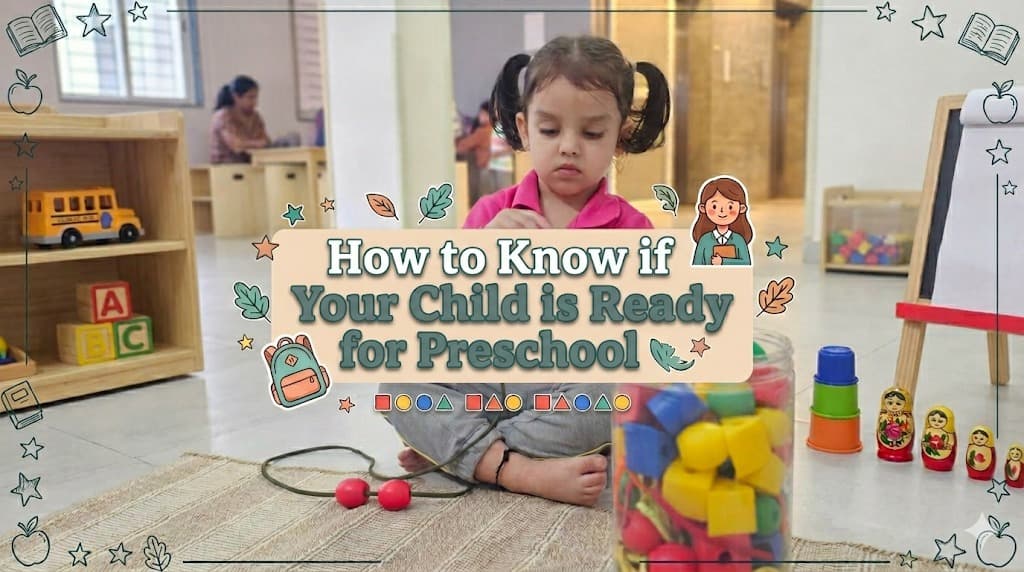
Most children are ready for preschool between two and three years old, but age matters far less than four signs: your child can spend a short stretch away from you without distress, can make a need understood, manages some self-care such as washing hands, and shows interest in other children. If two or three of those are in place, your child is ready enough - the rest is what preschool teaches.
Living in bustling tech hubs like Madhapur and Kondapur brings unique parenting challenges. Busy professionals often feel immense pressure regarding the academic future of their children. The decision to start early childhood education brings deep anticipation and nervous butterflies. Balancing a high-pressure job with your home life is no small feat, and it is completely normal to find yourself wondering exactly how to know if your child is ready for preschool Parents naturally look for obvious physical markers of readiness. It is incredibly common to seek out a checklist of dramatic milestones to reassure yourself that your little one is prepared. However, toddler emotional development is often a far more important indicator than early academic skills. The transition from home to school requires a foundation of emotional security, not just the ability to recite the alphabet.
Why Preschool Readiness Is More Than Potty Training
When beginning the preschool admission process, you might wait for perfect potty training or expect them to speak in complete sentences. We often mistakenly tie a child’s capability to these highly visible achievements. However, true readiness usually happens very quietly.
Young children take their first subtle steps toward independence internally. They begin standing quietly at the doorway of who they are becoming. Readiness is less about physical perfection and more about a blossoming internal world. It involves a developing quiet curiosity about their surroundings and a deep urge to feel capable in their daily environment.
It also means they are seeking out emotional safety in unfamiliar environments. Rather than just evaluating what your child can do , evaluate how they feel when faced with new experiences. If you are currently choosing the right preschool , look beyond the basic physical milestones to these profound internal shifts.
5 Hidden Signs: How to Know if Your Child is Ready for Preschool
If you are looking for clear preschool readiness signs, step back and observe your child’s daily habits. Here are five hidden indicators that your child is prepared for their next big adventure:
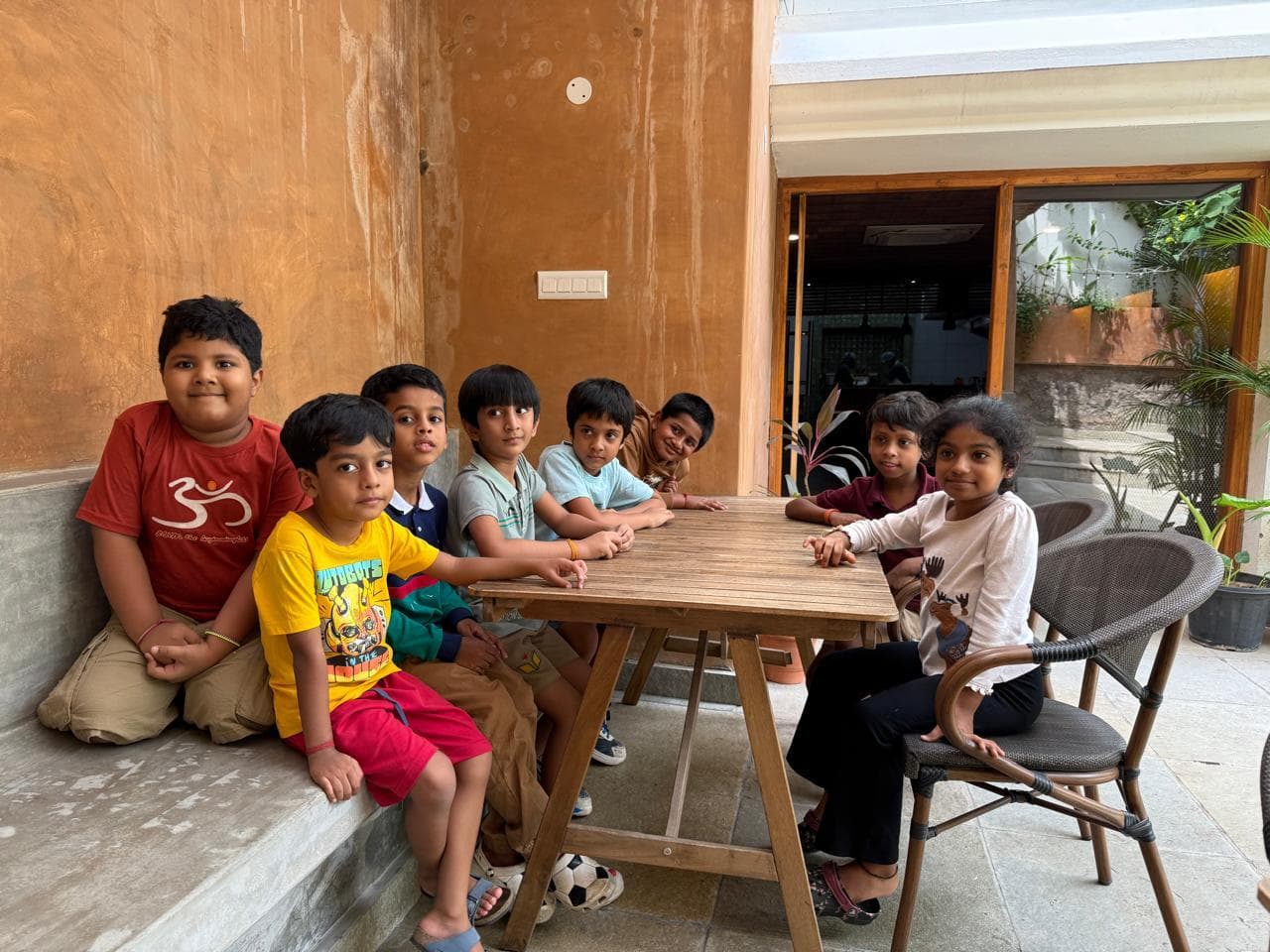
- Curiosity about other children: Social awareness blooms gradually during the toddler years. The true milestone is transitioning from playing completely alone to playing next to peers. This concept is known as parallel play. Observing other children and mimicking them shows they are ready for a classroom community.
- Seeking comfort away from parents: Readiness actually means developing the capacity to find comfort in a new caregiver. It is entirely normal for a child to cry on the first day, but if your toddler begins looking to other trusted adults for guidance, they are showing incredible maturity.
- Pretend play and imitation: A desire for “space to wonder” and quiet curiosity are massive milestones for cognitive growth. Children inherently require an expansive environment to explore these new ideas. When their imagination outgrows your living room, their minds are ready for engaging, play-based learning.
- Basic communication: A massive vocabulary is never a strict requirement for early childhood education. Toddlers simply need the ability to express their basic needs. They can accomplish this through simple words or clear gestures.
- Small independent actions: You will often hear toddlers insisting on doing tasks all by themselves. This might happen when they are putting on shoes or washing their hands. This push for independence is a beautiful hidden indicator of readiness.
Signs Your Child May Need More Time
While finding the right preschool is a top priority for working parents, it is crucial to recognize when your child might just need a little extra time at home. Not every child follows the exact same timeline, and pushing a child who isn’t emotionally prepared can create unnecessary stress.
Look out for signs of extreme separation anxiety that doesn’t settle even after the initial goodbye. If your child exhibits severe sensory overwhelm in group settings or has profound difficulty adapting to the most basic daily routines, they may need more gentle emotional scaffolding before entering a formal classroom.
This is completely normal. Rather than forcing the issue, take a step back. Focus on creating predictable rhythms at home and gradually introducing them to small, low-pressure social situations until their confidence grows.
How Parents Can Emotionally Prepare Children for Preschool
For a busy preschool for working parents demographic, proactive emotional preparation is the secret to a smooth transition. You can foster their readiness through gentle, consistent actions at home:
- Establish predictable routines: Consistent sleep habits and predictable daily rhythms provide a deep sense of security. Knowing what comes next lowers a toddler’s anxiety.
- Reduce digital reliance: Encouraging physical play over digital consumption is essential here. Swap extended screen time for hands-on activities that foster fine motor skills and independent focus.
- Storytelling and social interaction: Read positive, reassuring books about starting school. This normalizes the experience and gives them a mental framework for what to expect.
- Emotional validation: Acknowledge their fears and frustrations without dismissing them. Emotional safety tells a child they can try and make mistakes while feeling completely supported.
How the Right Preschool Environment Helps Children Transition Smoothly
The environment you choose plays a monumental role in how easily your child adapts. A premium preschool in Madhapur should prioritize a gentle transition, honoring a child’s pace rather than enforcing rigid compliance.
At Bodhivalley Preschool, we provide a nurturing space where every single child is seen and valued. Our entire philosophy is anchored in emotional safety; it ensures they know they are allowed to make mistakes without facing harsh judgment.
Through intentional, play-based learning, we actively focus on fostering curiosity and giving children a Space to Wonder within our daily activities. With small class sizes and deeply empathetic teachers, our educators are trained to understand and guide these early communication attempts. We bridge the gap between the comfort of home and the excitement of a new community.
Your Child’s Unique Journey
Every child develops at their own unique pace, and figuring out How to Know if Your Child is Ready for Preschool is a deeply personal journey for your family. By paying close attention to these quiet shifts their blooming curiosity, their push for independence, and their subtle social awareness-you can make a confident, stress-free decision.
When you feel those hidden milestones have been met, taking the next step requires thoughtful research. Dive into our comprehensive preschool admissions guide to help you evaluate the best environment for your little one’s foundational years, ensuring they step beautifully into who they are becoming.